Otherworld 1: Spring of Shadows
Otherworld is a dark fantasy point-and-click adventure series. You play as a woman moving into an old house in the British countryside — only to discover that the previous family, including a little girl, went missing! You then make it your mission to save this girl from an evil spirit: the Shade.
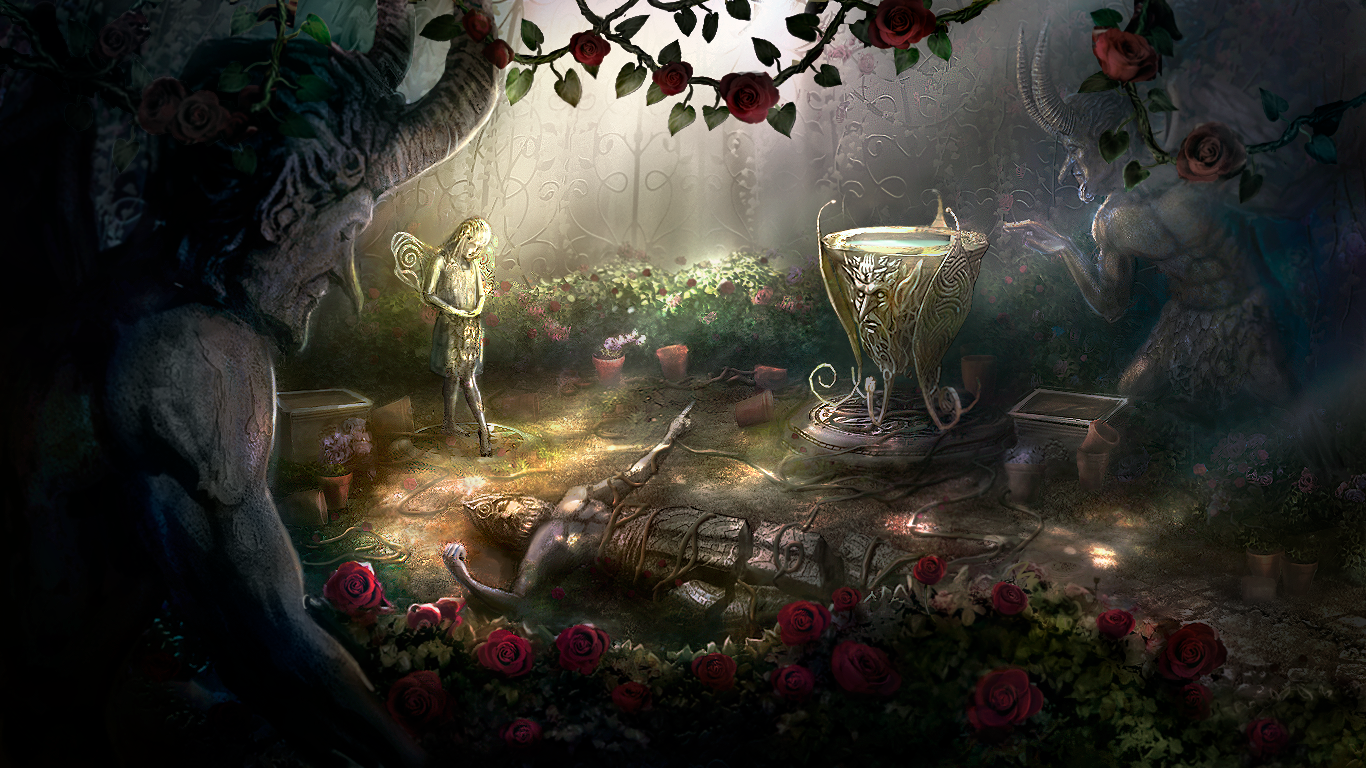
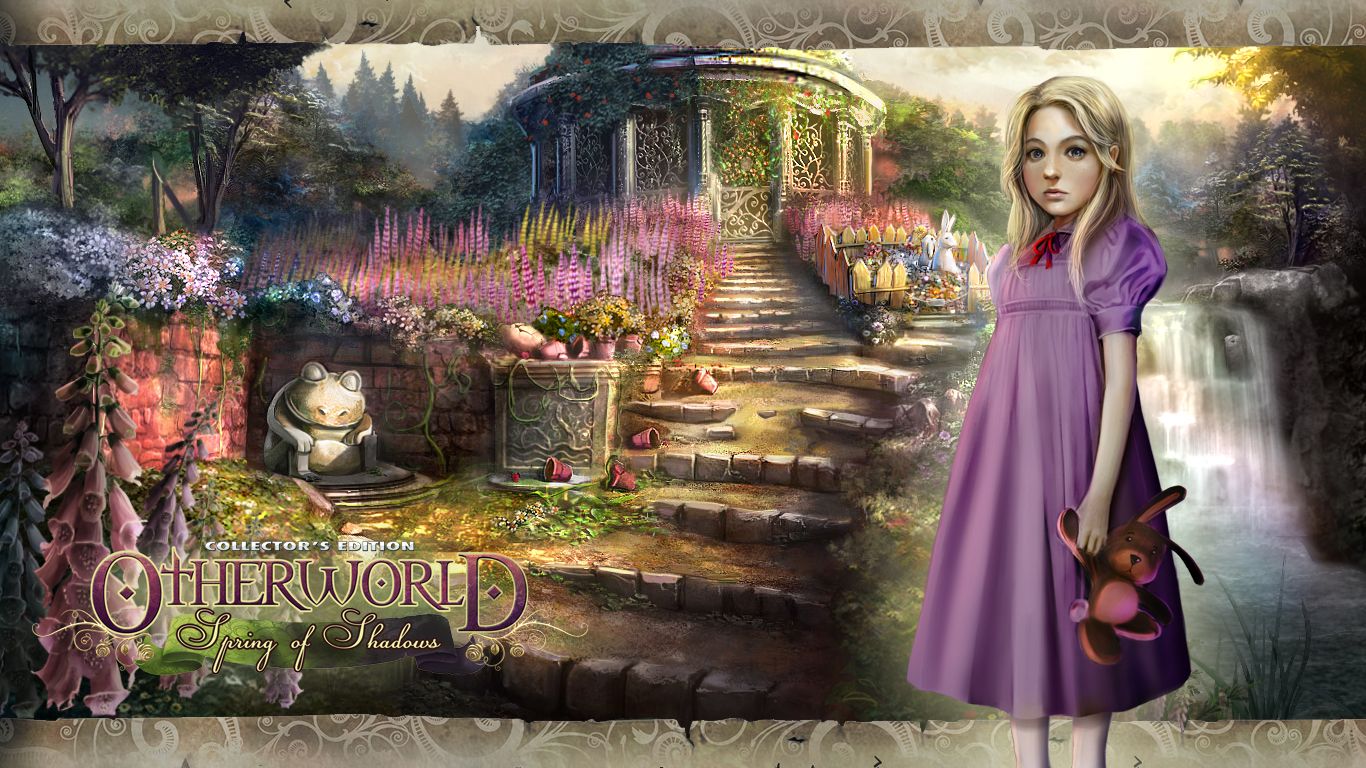
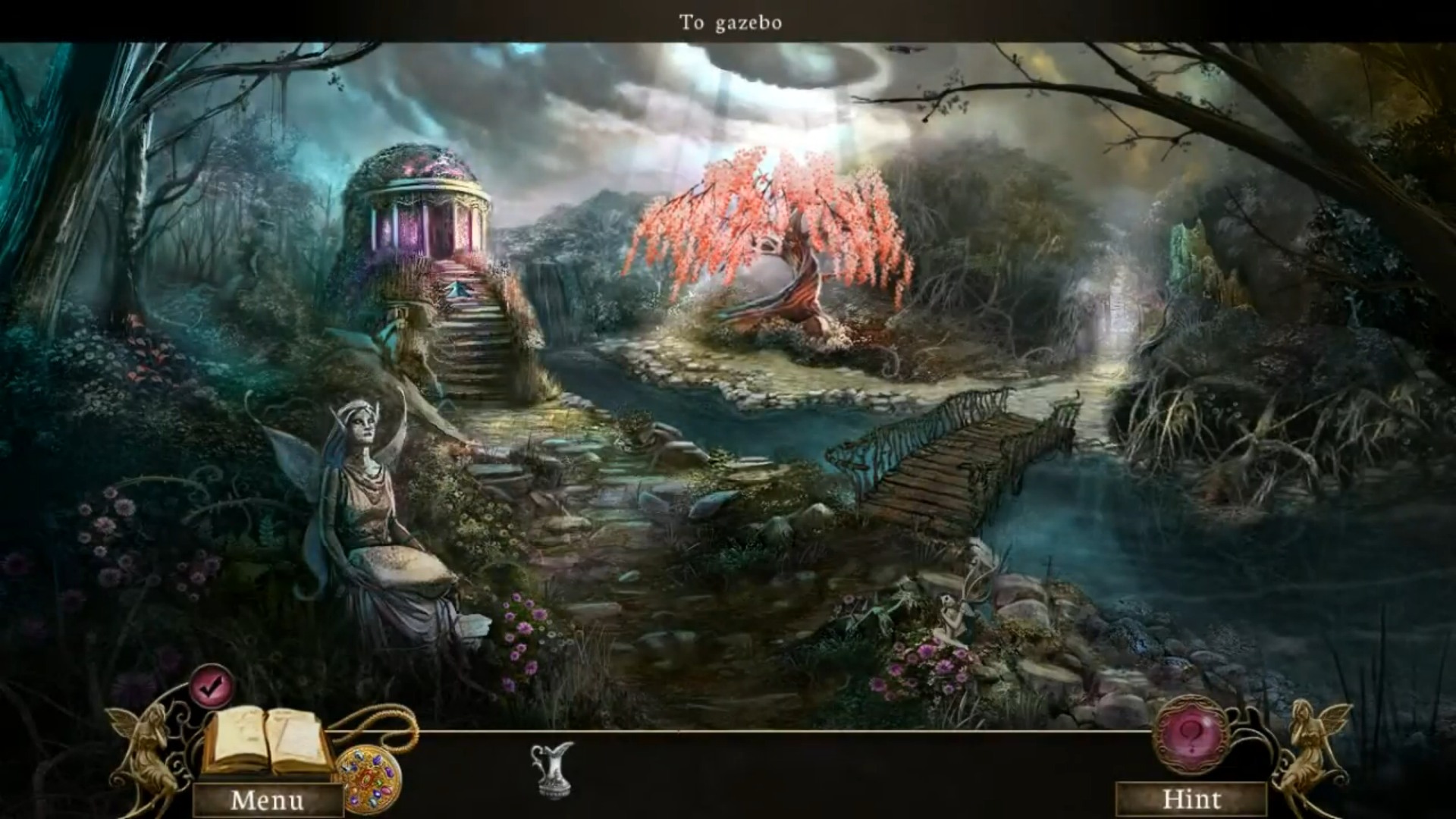
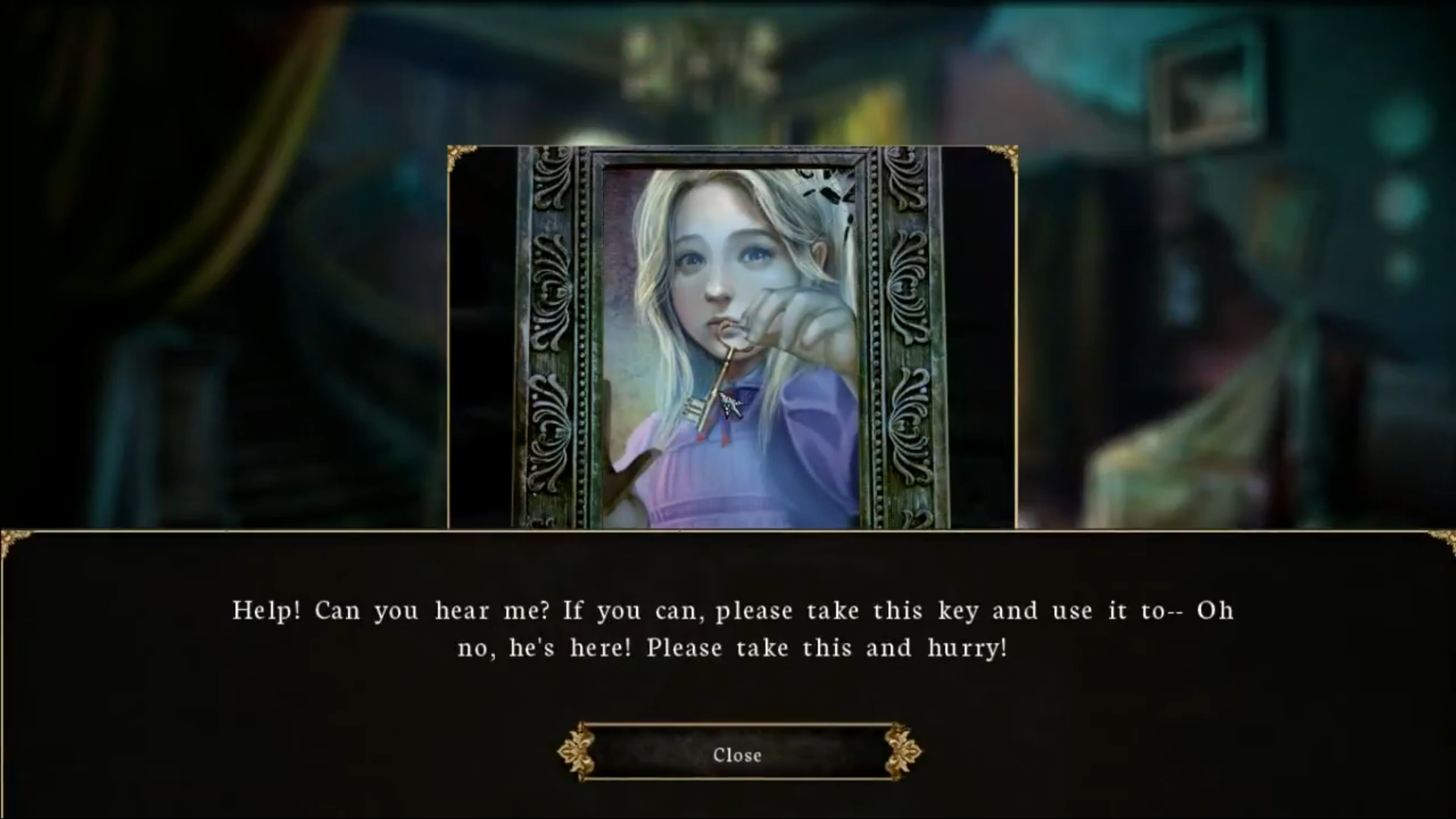
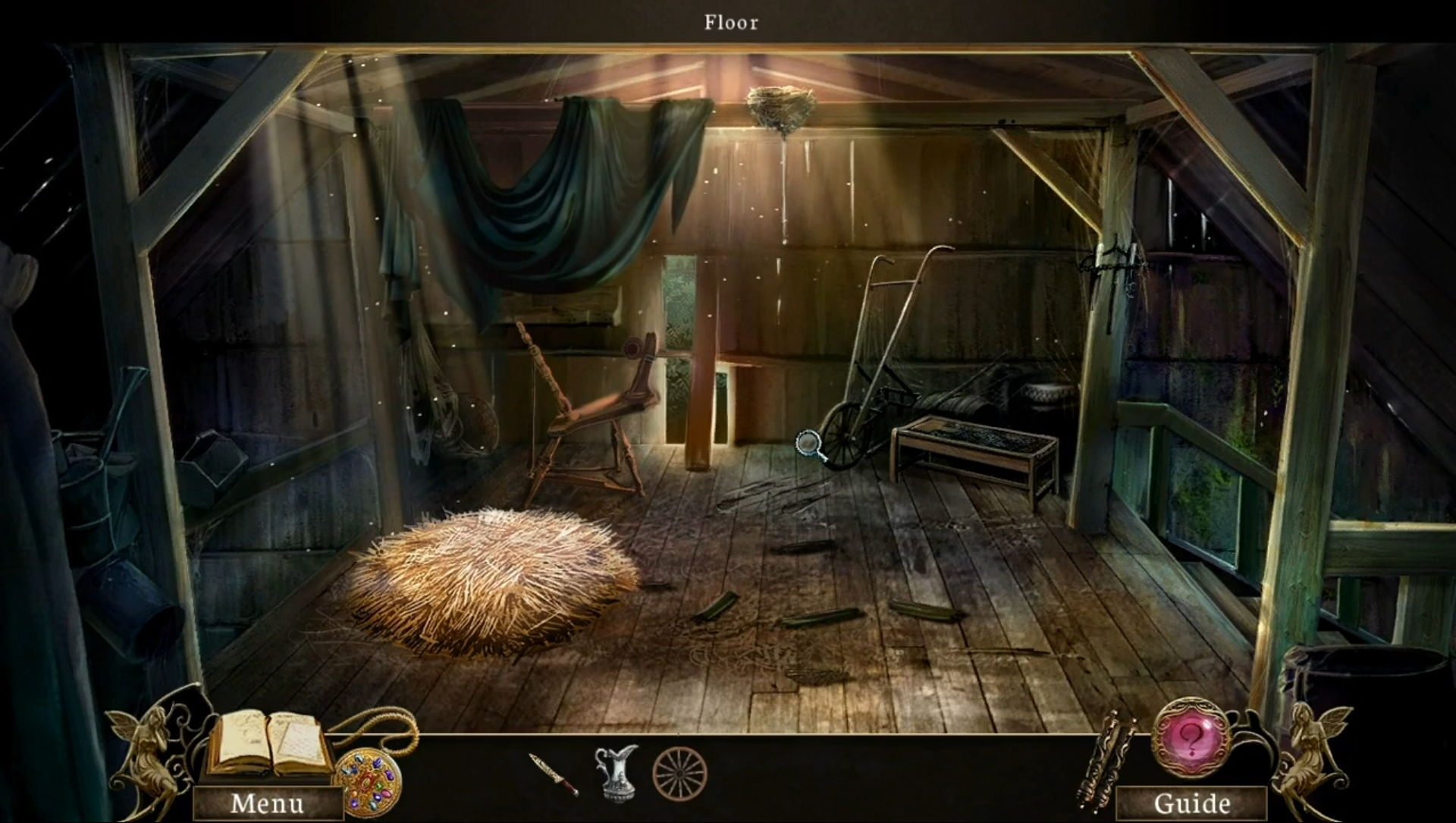
Project Description
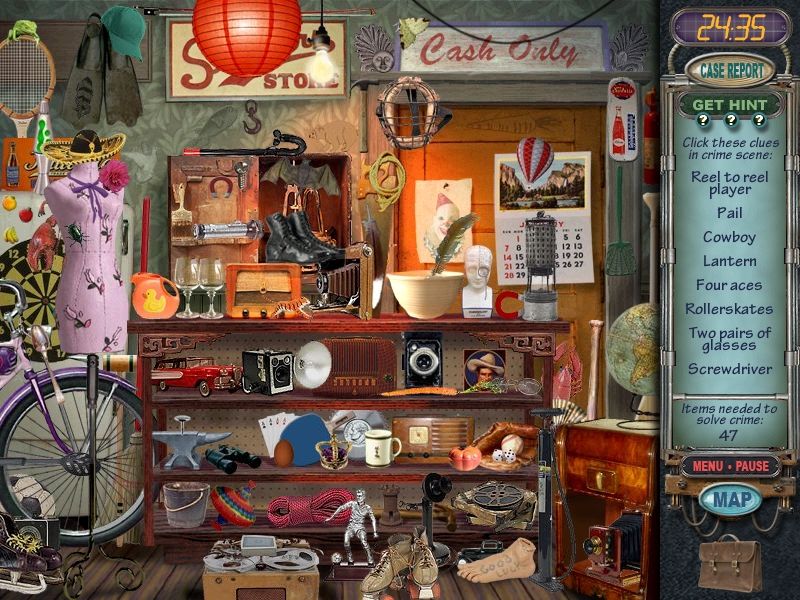
The late aughts brought about a renaissance in the point-and-click adventure genre. It all started in an an unlikely place: "hidden object" casual games, wherein a player had to find certain items on the screen, as though the player was a private investigator digging for clues. By combining hidden object games with different scenery, puzzles, and a story to tie them all together, the Hidden Object / Puzzle Adventure (HOPA) genre was born.
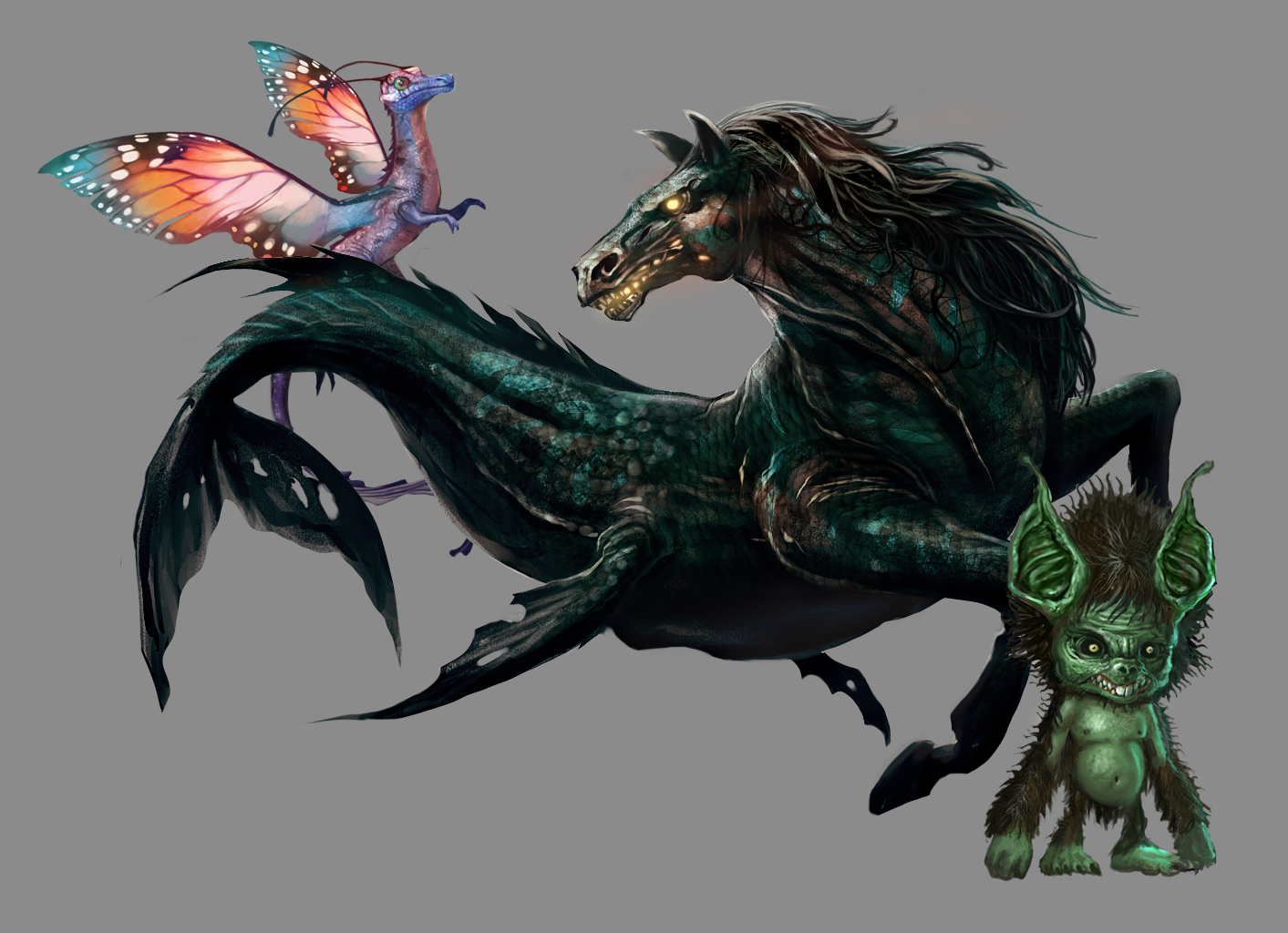
Otherworld 1 was published by Big Fish Games at the crest of the HOPA trend in casual PC gaming and at the start of mobile gaming's growing popularity. It stepped up to the plate through the creation of unique puzzle mechanics within a world of dark fantasy — unlike the ubiquitous player-as-detective storylines. Boomzap, my employer at the time, distinguished itself as a development studio specializing in the fantastic and strange.
Otherworld 1 was also one of Boomzap's earliest forays into porting from PC/Mac to mobile (iOS and Android) with all the attendant details that are meant to be seamless to the end-user: from minor changes in wording (changing "click on x" to "tap on x" till we finally settled on the most neutral "select x" to encompass all platforms) to how to handle zooming and clickzones, especially on teeny-tiny phone screens.
Otherworld 1 won a full five star review from Gamezebo and peaked at #2 on the Big Fish Games charts. Based on localization sales, it did particularly well in Germany; its overall performance expanded Otherworld into a franchise, which continued with Otherworld 2.
My Role and Responsibilities
| My role | Tester, transitioned to Junior Designer |
|---|---|
| Core team size | 10-15 |
| Responsibilities | QA, Level Design (Scripting) |
| Documentation produced | Level-specific Game Design Document, Prototypes, Game Engine Documentation, Publisher Communication, Player Feedback Reports, Bug Reports (JIRA) |
| My tools | Photoshop, Excel (as game data exporter), Google Docs (pitch, feedback, and GDD), Google Sheets (task sheet, walkthrough), Basecamp, as well as proprietary company tools for level, video and UI elements |
| Credits | Mobygames |
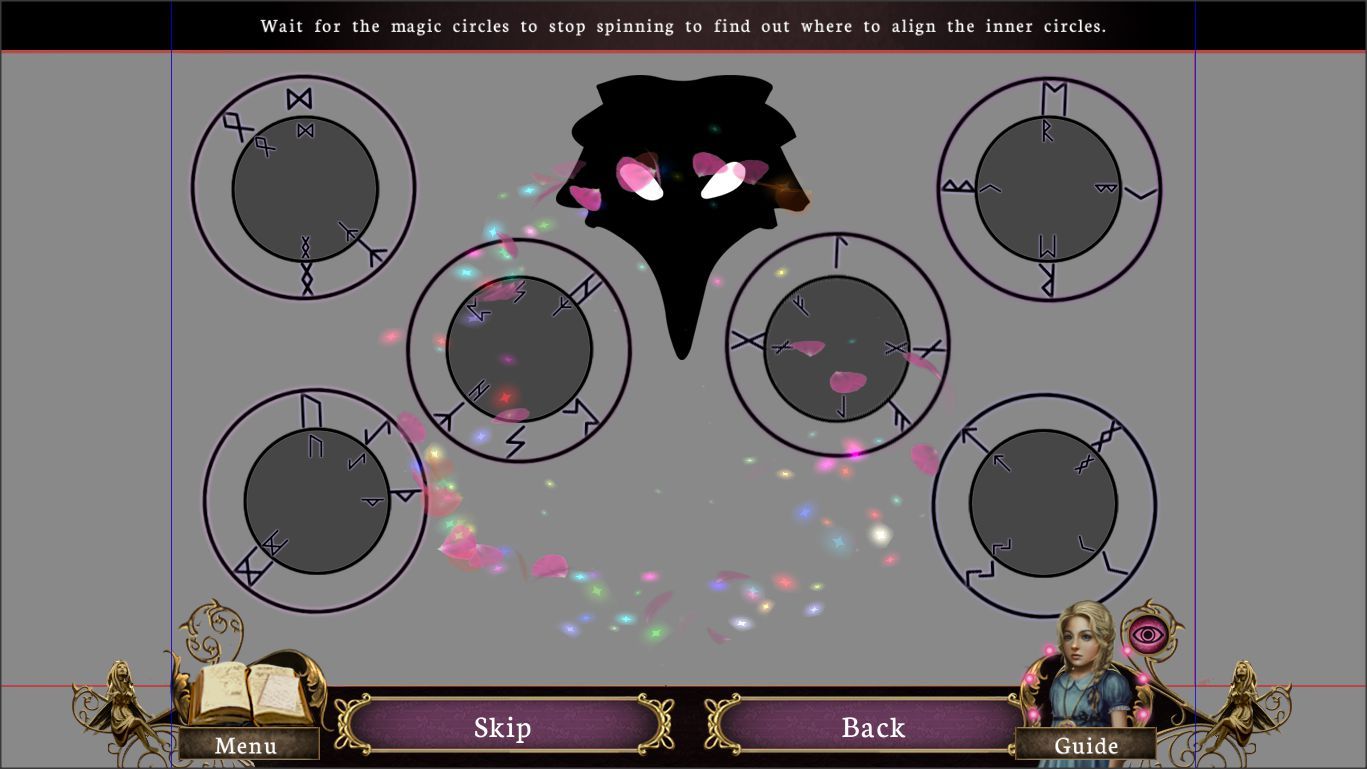
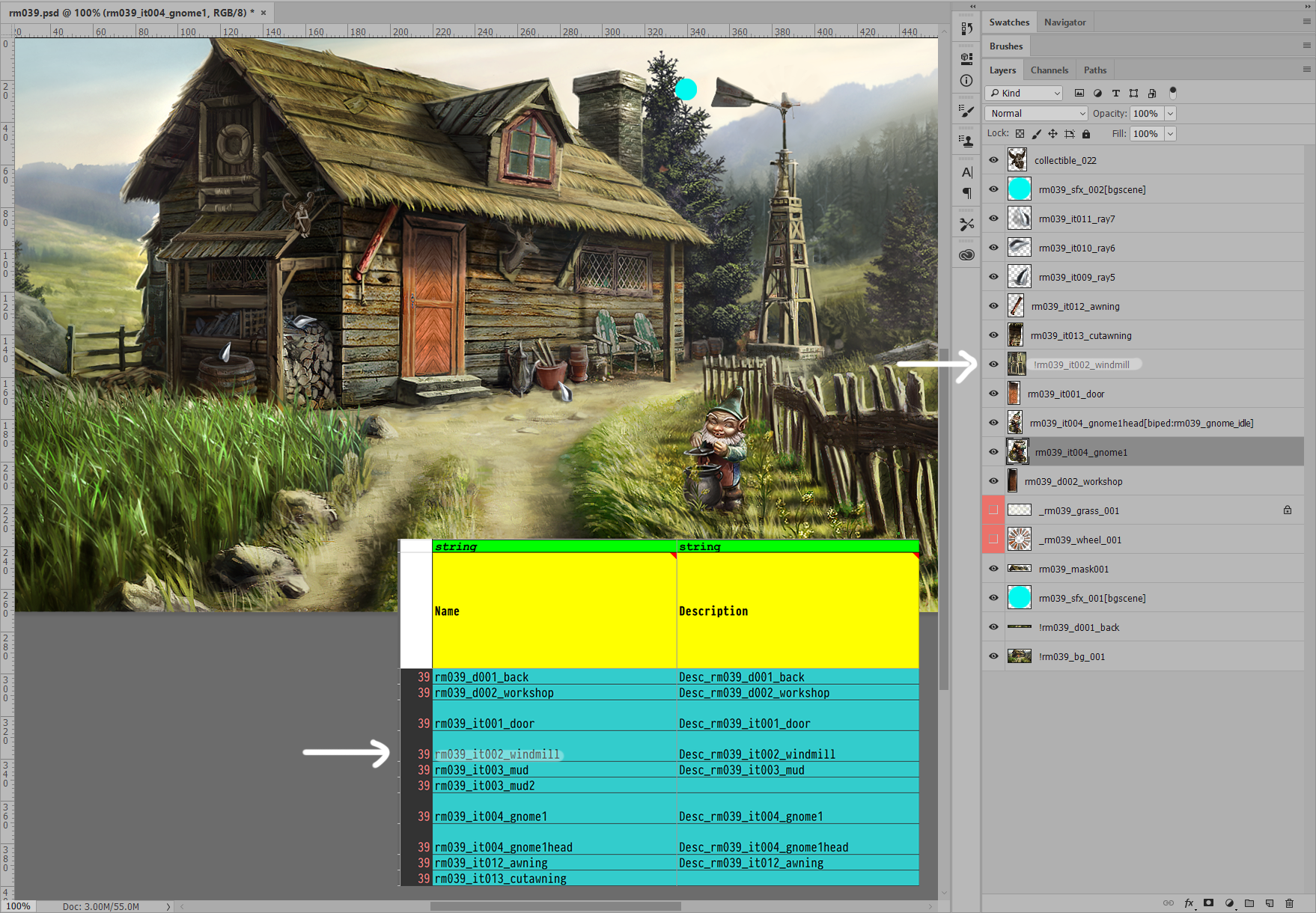
- A game designer's chief task depends on the stage of development; for Otherworld 1, the majority of my responsibility was to script / prototype / "greybox". In this level design process, a designer will set up all the variables and assets needed for a level within the game, including all text, story beats, puzzles, and adventure mechanics.
- Alongside scripting, I provided PSDs for the artists to use as a base to draw finalized assets. In a remote-only company such as Boomzap's, prototyping the entire game and providing PSDs are crucial protocols for communication between the designers, animators, and artists.
- At the end of my 6-month training period, I was given the project to finish till it shipped (gold milestone) in January 2012.
What is Greyboxing?
Adventure games are split into levels (chunks of gameplay with a set location, theme, and/or objective) where the main character typically finds clues to solve a mystery, catch a murderer, etc. Game design in this context is the structure of these tasks (solving a cipher, reconstructing a suspect's alibi, etc.) in such a way that the player wants to know more about the case or world they're in. Through a variety of puzzles, interactions with the scene in front of them, dialog, and cutscenes, the player appreciates the world they're in and wants to keep playing, as they're active participants in an unfolding story.
These interactions (picking up clues, etc.) within the level are entirely playable through high-level scripting logic written by the designer, with placeholder assets. The programmer's job, in contrast, is to provide the tools for the designer to design. By designing the level before any finalized assets are made, any artist, animator, or fellow designer can get a feel of the game and visualize the assets through their function, not just a game design document.
Project Specs
| Project | Otherworld 1: Spring of Shadows |
|---|---|
| Developer | Boomzap |
| Publisher | Big Fish Games |
| Genre | Hidden Object Puzzle Adventure (HOPA) |
| Release date | January 23, 2012 |
| Online stores | BFG - Steam |
| Platforms | PC, Mac, Android†, iOS† |
| Localization | German, French, Japanese, Spanish, Italian, Dutch, Portuguese |
| Let's play* | Kawaii Games on YT |
†Android and iOS builds are no longer available from BFG's Play / App Stores.
*Let's play videos are playthroughs by players / fans. Neither the developer (Boomzap, my employer at the time) nor the publisher have any affiliation with these streamers / youtubers.
Production Gallery
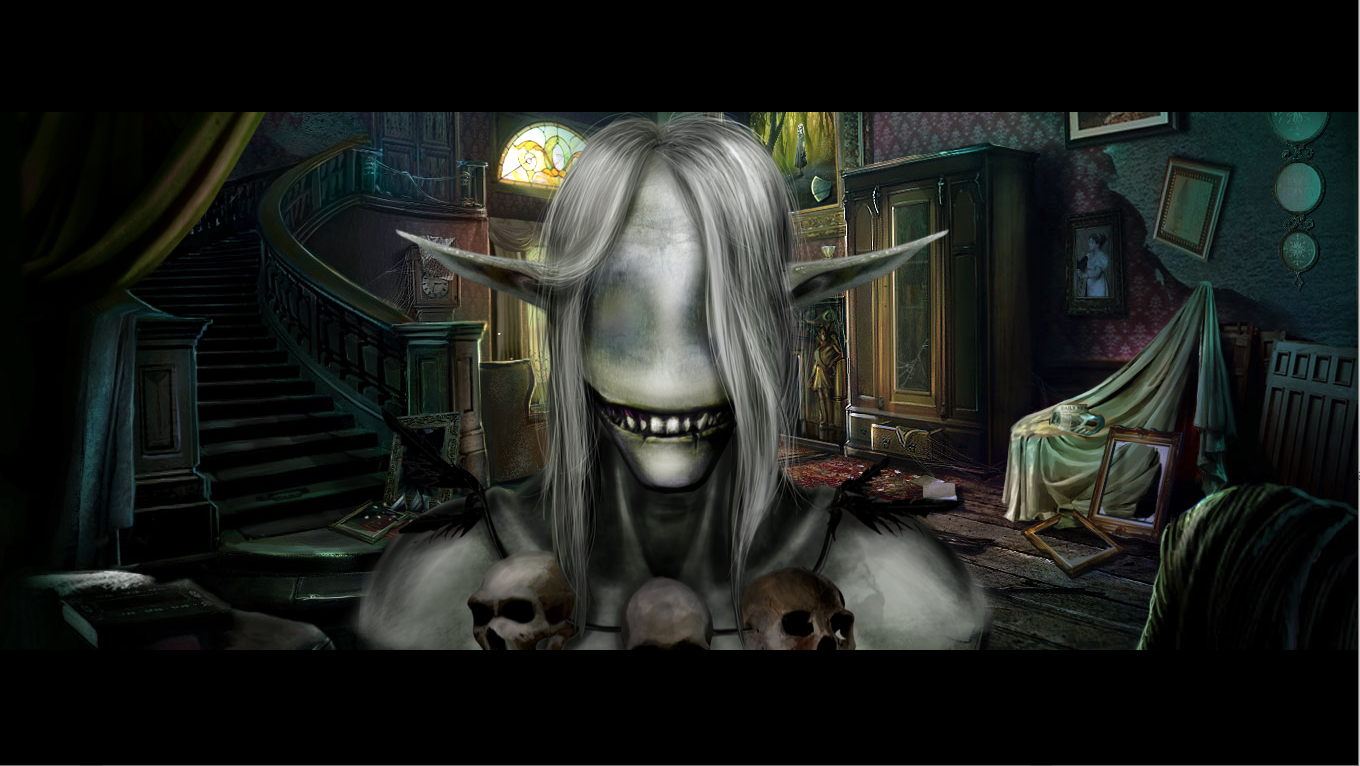
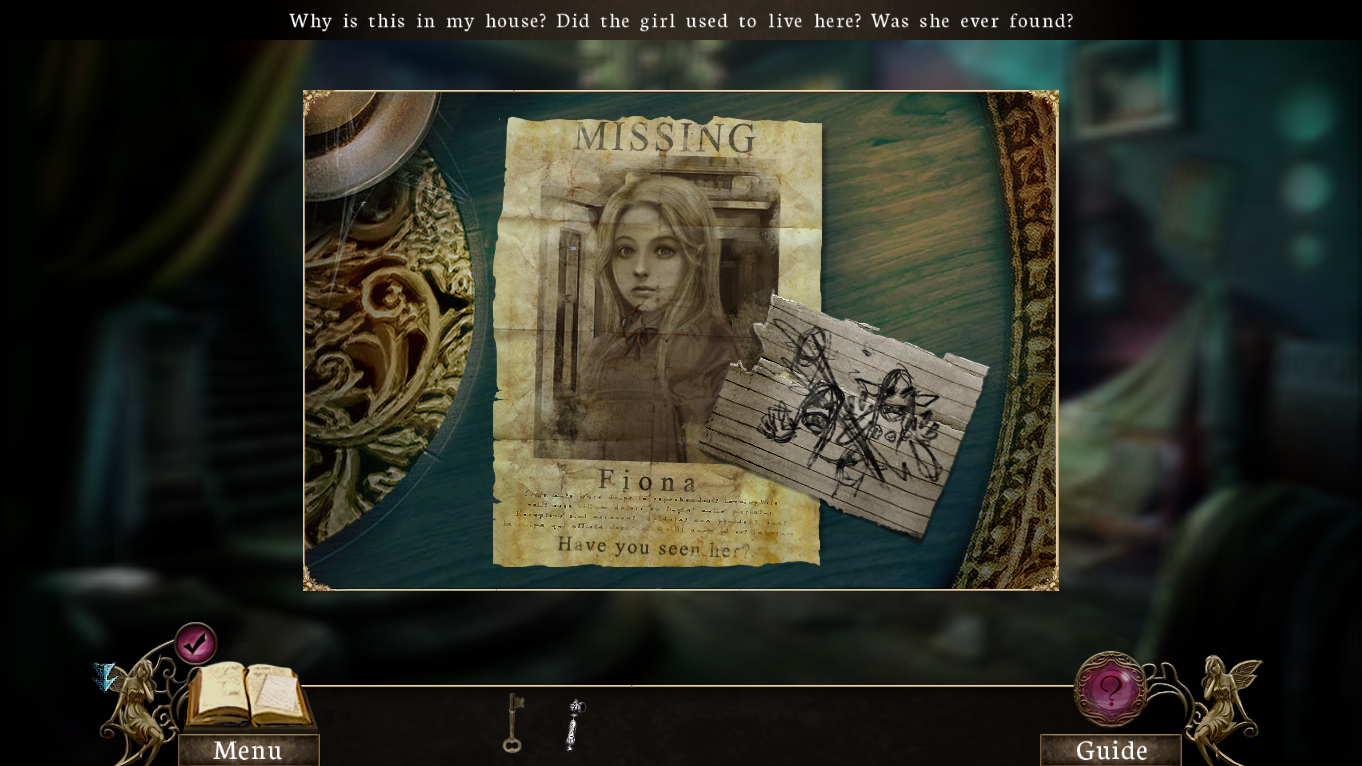
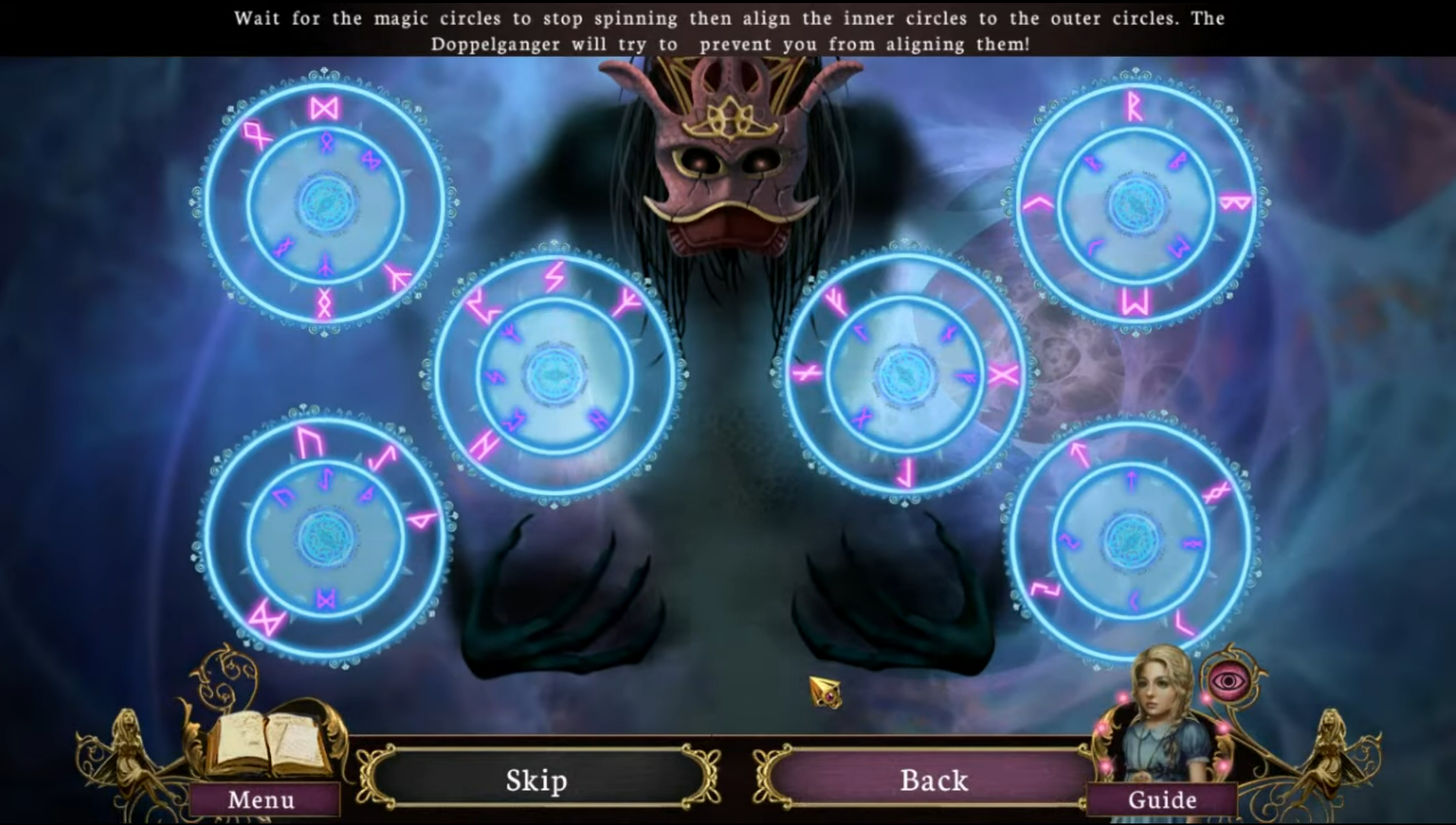
Other Media
I had a brief talk at an industry convention (Casual Connect 2012) about the company design process. The talk used Otherworld 1 for its samples. (Warning: the audio is loud.)
External Links
- What is scripting in game development?
- Quick And Dirty Prototyping: A Success Story — a Gamasutra feature written by my supervisor, outlining the company process